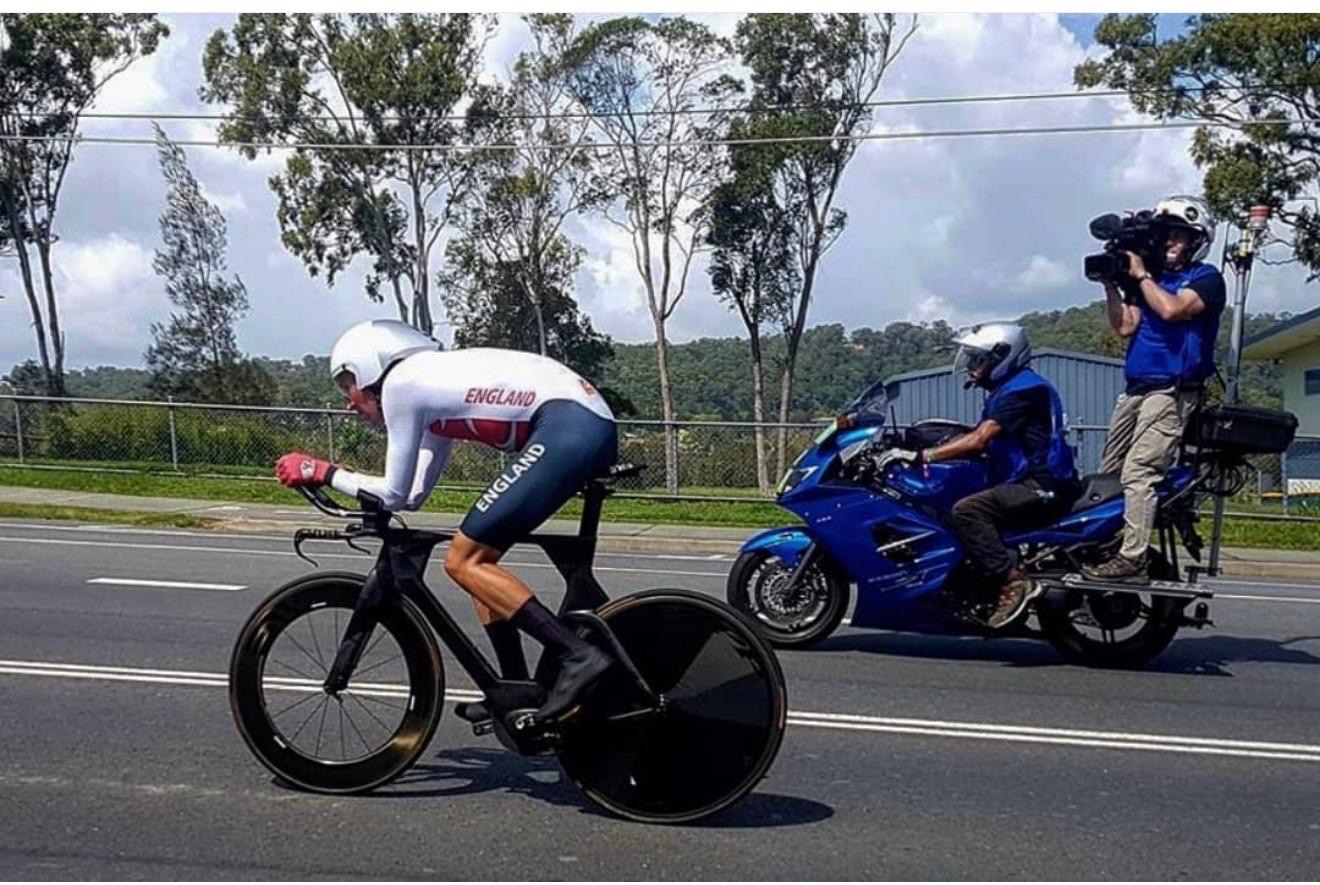
I coach cyclists. That’s what most people know me for: 16 years as a professional on the road, national titles, Commonwealth Games. But here’s the thing: I also coach duathletes, and I’m a pretty decent runner myself. I’ve run a sub-3 marathon, I train with runners regularly, and I genuinely understand both disciplines from the inside, not just from a textbook.
Duathlons are the multisport event that doesn’t get nearly enough attention. Everyone talks about triathlons, but plenty of people (strong cyclists, decent runners, folk who just don’t fancy swimming) overlook duathlons completely. That’s a shame, because duathlons are more accessible, more beginner-friendly, and frankly more fun than most people realise.
No pool sessions at 5am. No open water panic. No wetsuits. Just running and cycling, two things most active people already do.
If you’ve been thinking about giving multisport a go but the swimming put you off, this is for you.
What Actually Is a Duathlon?
A duathlon is a run-bike-run event. You run, you get on the bike, you run again. That second run is the bit that catches people out, but we’ll get to that.
The standard distances are:
- Sprint duathlon: 5km run / 20km bike / 2.5km run. This is where most beginners should start. Totally manageable if you have basic fitness.
- Standard duathlon: 10km run / 40km bike / 5km run. A proper test, but still achievable with a few months of training.
- Long distance: Varies, but typically 10km run / 60km+ bike / 10km run. Leave this one for when you’ve got a few events under your belt.
The format is always the same: Run 1, Transition 1 (T1), Bike, Transition 2 (T2), Run 2. You rack your bike in transition before the race and pass through that area twice: once to pick up your bike, once to drop it off.
Straightforward in theory. In practice, the run-bike-run format creates unique challenges. The biggest? Running on legs that have just been cycling. You need to experience that sensation in training before race day, or it’ll be a very unpleasant surprise.
Why Brick Sessions Are Non-Negotiable
A “brick” session is where you combine two disciplines back-to-back, typically cycling followed immediately by running. The name supposedly comes from how your legs feel when you try to run after riding: like bricks.
This is the single most important session type in duathlon training. You can be a strong runner and a strong cyclist individually, but if you’ve never practised the transition between the two, race day will humble you.
The first time you get off a bike and try to run, your legs feel completely wrong. Your quads are loaded from pedalling, your hip flexors are tight from being bent over the bars, and your running stride feels short, shuffly, and terrible. The good news is that your body adapts to this surprisingly quickly, but only if you practise it.
How to structure brick sessions:
- Start simple. Ride for 30 to 45 minutes at a moderate effort, then immediately rack the bike and run for 10 to 15 minutes. Don’t worry about pace, just get your legs turning over and your body used to the transition.
- Build up gradually. Over the weeks, extend both portions. Aim to get to a point where you can ride for 45 to 60 minutes and then run for 20 to 30 minutes comfortably.
- Practise your actual transitions. Set up your gear like you would on race day. Dismount, change shoes, go. The more automatic this becomes, the less you’ll faff around losing time.
- One brick per week is enough. More than that and you’ll accumulate too much fatigue. The other sessions are standalone runs and rides.
I tell my athletes: if you only have time for one quality session a week, make it the brick. Everything else is secondary to teaching your body how to switch between disciplines.
An 8-Week Beginner Plan
This plan assumes you have basic fitness: you can run 5km without stopping and ride a bike for an hour. If you can’t do those things yet, spend a few weeks building up to that baseline first.
The target event here is a sprint duathlon (5km / 20km / 2.5km). Three to four sessions per week, which is realistic for someone with a job and a life.
Weeks 1-2: Foundation
Get into the rhythm of training both disciplines. Three sessions per week: one easy run (25 to 30 minutes), one easy ride (45 to 60 minutes), and one short brick session (30-minute ride followed by a 10-minute run). Keep everything conversational pace. The goal is consistency, not speed.
Weeks 3-4: Building
Add a fourth session. Your week now looks like: one standalone run (30 to 35 minutes, with a few minutes at a slightly quicker pace in the middle), one standalone ride (60 minutes with some tempo efforts), one brick session (40-minute ride into a 15-minute run), and one easy recovery session of your choice (an easy jog or gentle spin). Start practising your transitions properly during bricks.
Weeks 5-6: Developing
This is where the work starts to bite. Standalone run extends to 35 to 40 minutes with some faster intervals (4 x 3 minutes at a pace that feels hard but sustainable, with 2 minutes easy between each). The standalone ride goes to 60 to 75 minutes with 3 x 8 minutes at a strong tempo. The brick session builds to a 45-minute ride into a 20-minute run, and that second run should include 10 minutes at your target race pace. You should be feeling the fitness come together now.
Week 7: Peak
Your biggest training week. Do a race-simulation brick: ride 20km (or close to it) at the effort you’d plan for race day, then immediately run 2 to 2.5km at race pace. This tells you what race day will feel like and gives you confidence. Keep the other sessions moderate: a 30-minute easy run and a 45-minute easy ride. Don’t try to cram more in.
Week 8: Taper and Race
Cut volume by about 40 per cent. A couple of short, sharp sessions to keep the legs feeling lively: a 20-minute run with a few quick strides, a 30-minute ride with a few punchy efforts. Rest more than you think you need to. Trust that the fitness is there and let your body recover so it’s fresh on race day.
Pacing the Bike Leg: The Biggest Beginner Mistake
Here’s where I see beginners blow up every single time: they ride too hard because they forget they have to run afterwards.
If you’re a cyclist, this is especially dangerous. You get on the bike, you feel strong, and you push harder than you should because the bike is your comfort zone. Then you dismount in T2 and your legs are in bits. That second run becomes a death march.
The bike leg in a duathlon is not a time trial. It’s a setup for the second run. Ride at about 80 per cent of what you could do if cycling was the only discipline. Finish the bike feeling strong, not hanging on.
Practical pacing tips:
- If you have a power meter or heart rate monitor, use it. Stay below your threshold. For most beginners, that means keeping heart rate in Zone 3. Comfortably hard, not redlining.
- Start the bike leg conservatively. After Run 1, your legs will want to hammer. Resist. Settle into a rhythm and let your breathing stabilise.
- Save something for the last quarter. Ride the first 15km steady and lift the pace slightly if you’re feeling good. Never the other way around.
- Think about Run 2 constantly. Every time you’re tempted to push harder, ask yourself: “Will I pay for this in 20 minutes?” If yes, ease off.
I’ve watched strong cyclists get overtaken by average runners in the final 2.5km because they buried themselves on two wheels. Pacing discipline separates the good duathletes from everyone else.
Nutrition and Kit
Duathlon nutrition is simpler than you might think, especially at sprint distance.
Before the race:
Eat a proper meal two to three hours beforehand. Something you’ve tested in training. Porridge with banana, toast with peanut butter, whatever sits well. Nothing new on race day. Iron rule of multisport.
During the race:
For a sprint duathlon, you don’t need to eat during the event. It’s over in about an hour for most people. Stay hydrated and have a bottle on the bike with water or an electrolyte drink. If you’re racing a standard distance, take a gel or energy drink on the bike leg and sip regularly.
Kit that matters:
- Running shoes. Your most important piece of equipment. They don’t need to be expensive, but they need to fit well and you need to have trained in them. Consider elastic laces, which let you slip shoes on in transition without faffing with knots.
- The bike. Whatever you’ve got. Road bike, hybrid, even a mountain bike for your first event. Nobody cares what you’re riding. Make sure it’s in good working order: tyres pumped, brakes working, gears shifting.
- A helmet. Obviously. You cannot start the bike leg without one.
- Clothing. Wear something you can run and ride in. A pair of running shorts and a comfortable top works fine. Tri suits are great if you have one, but they’re absolutely not necessary for your first event. Avoid anything with a thick cycling pad because it’s uncomfortable to run in.
- Race belt. A cheap elastic belt that holds your race number. Saves you pinning it to your top and means you can flip it from back (on the bike) to front (on the run) quickly.
- Sunglasses and a cap if it’s sunny. Small things, but they matter.
Don’t overthink the gear. I’ve seen people spend a fortune before their first duathlon and never do another one. Start simple, see if you enjoy it, then invest.
Race-Day Logistics
If you’ve never done a multisport event, the logistics can feel overwhelming. They’re not, once you know what to expect.
Before the race:
Arrive early, at least 90 minutes before your start time. Register, collect your race number and timing chip, and set up your transition spot. Find your allocated bike rack, rack your bike, and lay out your gear. Keep it simple: helmet on the handlebars (open and ready), running shoes ready with laces loosened, everything within easy reach.
Walk the transition area. Know where the mount and dismount lines are. Know which way you run in from Run 1, where your bike is, and which exit to take. Transitions are where beginners lose the most time, usually because they’re confused about where to go.
Warming up:
A 10-minute jog and a few strides is plenty. You want to be warm and loose for Run 1, but don’t waste energy. Five minutes of easy running, then four or five strides of 15 to 20 seconds at slightly faster than race pace. That’s it.
Common race-day mistakes:
- Going out too fast on Run 1. The adrenaline is pumping, everyone sprints off the line. Don’t get sucked in. Start at your planned pace and let the fast starters come back to you.
- Panicking in T1. Slow is smooth and smooth is fast. Take an extra five seconds to put your helmet on properly and get your bearings rather than rushing and dropping things.
- Hammering the bike (we’ve covered this, ride smart, not heroic).
- Forgetting to eat and drink beforehand. I’ve seen people so nervous they skip breakfast. You need fuel.
- Wearing brand-new kit. If you haven’t trained in it, don’t race in it.
One more thing: talk to people. Duathlon communities are friendly. If you’re confused about anything, just ask. Everyone was a beginner once.
Make It Happen
Duathlons sit in a brilliant sweet spot: challenging enough to give you a real sense of achievement, accessible enough that you can be race-ready in eight weeks. The run-bike-run format tests your fitness, your pacing, and your ability to perform when your legs are telling you to stop. Addictive once you get going.
If you’re a cyclist who wants a new challenge, a runner who fancies adding the bike, or someone who just wants to try multisport without the swimming, duathlon is your sport.
I coach duathletes at all levels, from complete beginners to experienced multisport athletes. If you want a structured plan, someone to manage your training across both disciplines, and a coach who genuinely understands what it takes to run well off the bike, check out my multisport coaching packages.
Or if you just want a chat about whether duathlon is right for you, get in touch. No hard sell, just an honest conversation.
Now go and sign up for an event. You’ll thank yourself at the finish line.
Want personalised duathlon coaching from someone who’s raced and run at the highest level? Get in touch to discuss how I can help you prepare for your first (or your fastest) duathlon.