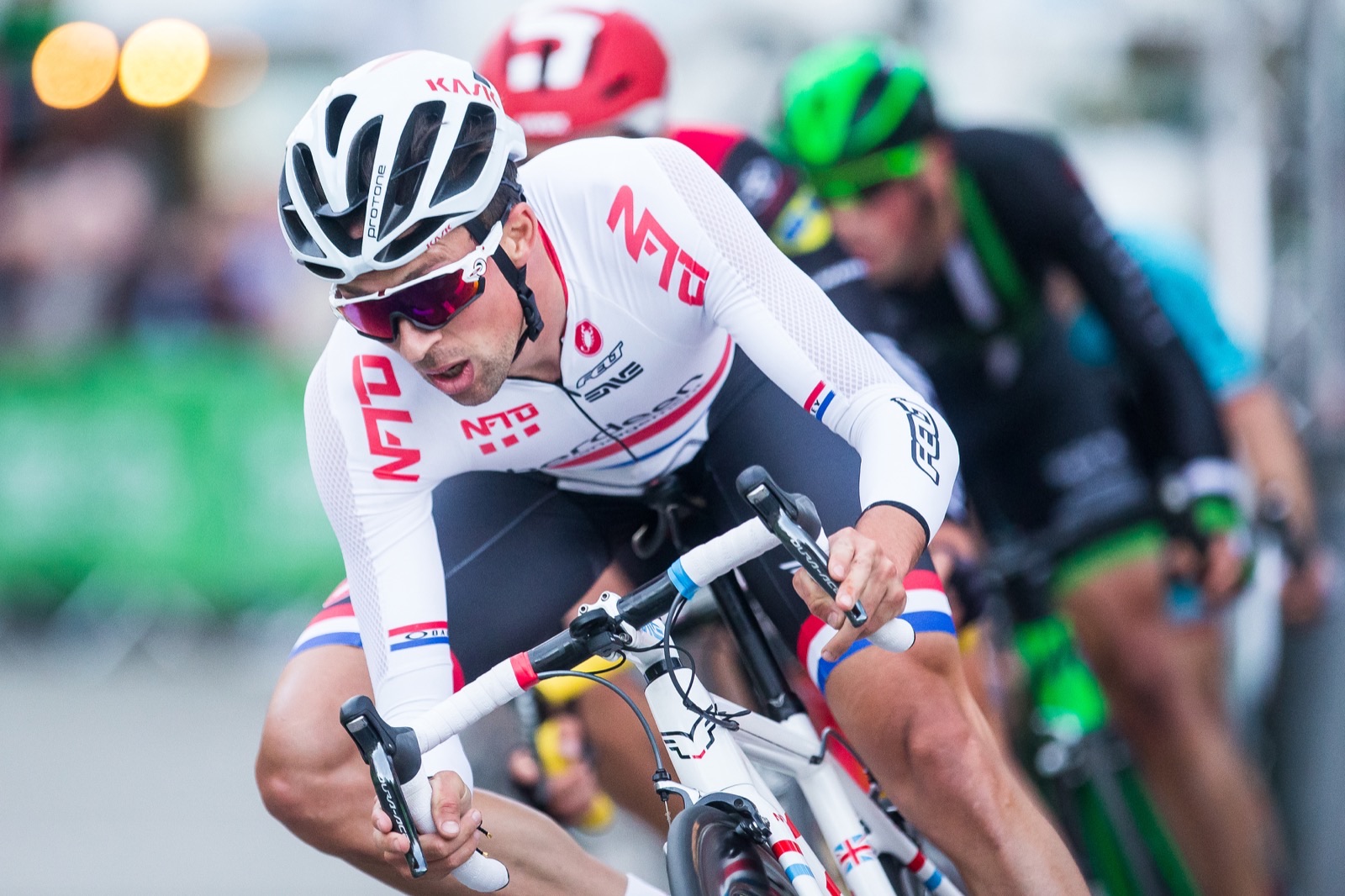
Whether you’re a weekend club rider, an aspiring racer, or training for the next big sportive, we all want to improve on the bike. Over decades in the UK cycling scene – from local club runs in Lancashire to pro races – I’ve gathered a fair bit of insight into what really works (and what doesn’t) for boosting performance.
Here are my top 10 training tips, geared especially for UK cyclists, with a mix of blunt truth and practical advice. No matter your level, I guarantee you’ll find something useful here to level up your riding.
1. Join a Club and Ride with Others
One of the best moves for any cyclist is to join a local club. The UK has a rich club culture – from mellow social rides to chaingangs that’ll have you hanging on for dear life.
Riding with others accelerates your learning: you pick up group riding skills, get pushed by faster riders, and enjoy a bit of banter (or friendly heckling) along the way. It keeps you accountable too – easier to get out on a drizzly Sunday when you know your mates are waiting.
Find a club that matches your vibe (many have beginner-friendly rides and faster training rides). Those club miles will build your fitness and confidence. Plus, club mates often become lifelong friends in this sport.
When I was coming up, the local club scene taught me bunch skills I still use, and even now I tell newer riders: don’t slog solo all the time – ride together, improve together.
2. Set Clear Goals (Big or Small)
Training without a goal is like riding to nowhere. Goals give you direction and motivation. Maybe you want to complete the 100-mile Dragon Ride sportive, break 25 minutes in a 10-mile TT, or podium in your local crit series. Or it could be as simple as tackling that brutal climb in the Peaks without stopping.
Set a goal that excites you and put it on the calendar. Once you have a goal, you can structure your training towards it – and on those days when motivation is low, remembering your goal can kick you into gear.
I recommend a mix of short-term and long-term targets:
- Short-term: Improving your 5-minute power this month
- Long-term: A race next season
Make sure it’s realistic but challenging. And hey, tell someone about it – a bit of accountability or even friendly rivalry can light a fire under you. In my career, having clear targets (like the National Championships or a big stage race) got me out of bed on those dark, wet mornings.
Define your “why” and suddenly the training has purpose.
3. Follow a Structured Training Plan
Consistency and structure trump random hard rides, especially as you progress. A common amateur mistake is just hammering out rides with no plan (or doing the same loop at the same pace every time).
Instead, embrace a simple training plan: include hard days and easy days, vary your intensities, and plan your weeks.
Example week:
- Tuesday and Thursday: Intervals or a fast group ride
- Sunday: Long endurance ride
- Other days: Active recovery or rest
Even if you’re time-crunched, 3-4 focused sessions a week can yield big improvements. Many amateurs ride too hard on easy days and too easy on hard days – avoid that trap by scheduling true recovery rides (or days off) and proper interval days.
If you’re unsure how to structure things, consider consulting a coach or using a reputable training plan. The key is to train different energy systems and allow recovery.
When I started structuring my training (instead of just riding as I felt), my fitness jumped to new levels. So ditch the “winging it” approach – even a basic plan is better than none.
4. Don’t Overdo the “Hammerfest” – Vary Intensity
This deserves its own emphasis: not every ride should be eyeballs-out hard. One of the classic amateur mistakes is riding too hard, too often. It’s fun to smash it, but if you make every ride a smashfest, you’ll plateau or burn out.
Your body needs easier miles to build aerobic base and recover from hard efforts. A good rule of thumb:
- 80% of your training volume: Low to mid zones (easy to moderate effort)
- 20%: High intensity
So enjoy the cafe rides and Zone 2 endurance spins without guilt – they build a strong engine and keep you fresh for when it is time to go hard. When it’s a high-intensity day, then yes, give it some stick! Intervals, hill repeats, sprints – go for quality over quantity on those days.
But learn to chill on the in-between days. If you struggle with riding easy, try using a heart rate monitor or power meter to keep yourself in check (or ride with someone slower and chat the whole way).
Trust me, strategic restraint in training is what allows you to push bigger numbers down the line.
5. Make Friends with British Weather (and the Turbo)
We live in a country where you can face four seasons in a day. Instead of letting the British weather derail your training, plan for it.
Get decent kit for cold and wet conditions:
- Waterproof jacket
- Tights and gloves
- Mudguards on your winter bike
Embrace the phrase “there’s no bad weather, only bad clothing.” That said, don’t be stupid – if it’s icy or dangerously windy, consider an indoor session.
The rise of smart trainers and apps like Zwift or TrainerRoad is a boon for UK cyclists. Turbo training is efficient (no traffic, focused effort) and a lifesaver in winter. I’ve done endless hours on the turbo when snow was piled outside, and it meant I hit spring in good shape while others were hibernating.
To avoid boredom, use structured workouts or virtual routes. Also, use winter as a time to build base fitness – lots of steady miles (indoors or out) and maybe some low-intensity group rides. Then as spring comes, you’ll be ready to sharpen up with intensity.
Bottom line: plan for the weather, don’t be defeated by it. A bit of rain never killed anyone – in fact, learning to suffer through a rainy ride can make you mentally tougher.
6. Prioritize Recovery as Much as Training
Here’s a hard truth: fitness gains happen during recovery, not during the training itself. Training is the stimulus; recovery is when your body adapts and gets stronger.
Many riders (my younger self included) forget this and just pile on more miles or intensity until they’re knackered. Don’t be that rider who’s always exhausted and wondering why they’re not improving.
Recovery essentials:
- Schedule rest days and easy days religiously
- Aim for quality sleep – it’s the cheapest performance enhancer out there
- Get some protein and carbs in soon after hard sessions
- Consider little recovery hacks: short naps, compression boots, or just putting your legs up against a wall for 10 minutes
And listen to your body: if you wake up feeling dead and you’ve had three hard days in a row, give yourself permission to take an extra rest day or swap in an easy spin.
I’m blunt with my clients: more is not always better. Better is better. A well-rested rider will beat an overtrained rider every time. So if you want to get faster, treat recovery with the same respect as your toughest workouts.
7. Fuel Your Rides and Yourself
You can’t run a car without petrol; you can’t ride well without proper fuel. Nutrition is a huge part of performance.
Everyday eating:
- Balanced diet with plenty of quality carbs
- Protein for recovery
- Mix of fruit and veg for health
You don’t have to be a saint – I enjoy cake and a pint like anyone – but moderation and timing are key.
Around training:
- Eat a decent meal a couple hours before a big ride
- During rides over ~90 minutes, take in carbs (energy drink, bananas, bars, gels)
- After riding, refuel with protein and carbs within an hour
A common mistake is under-fueling on long club runs and then crawling home cracked – no fun. Also, hydrate even in cool weather; dehydration can sneak up on you in any season.
Think of it as prepping your body for the next session. If you train hard and often, consider upping your protein intake generally to aid muscle repair. And if weight loss is a goal, don’t just starve yourself – ride more to create the calorie deficit and keep protein high to maintain muscle.
In short: treat your body like a high-performance machine and give it good fuel. It’ll pay off in energy and recovery.
8. Work on Your Weaknesses (But Enjoy Your Strengths)
We all have things we’re naturally good at and things we struggle with. To become a well-rounded cyclist, face your weaknesses.
- If you’re a powerhouse on flats but get dropped on every climb, devote some training to improving your sustained climbing
- If you can time trial like a champ but your bike handling in a bunch is shaky, join group rides or do a local crit
It’s human nature to avoid what we’re bad at – I used to dread super steep climbs, so I forced myself to train on them more. It sucked in the moment but paid off in races.
That said, don’t neglect your strengths either – keep those sharp, they’re your ace card. It’s about balancing the two.
Consider variety: try different disciplines. Many UK riders do winter cyclocross which hugely improves bike handling and fitness. Some roadies dabble in track cycling to boost leg speed and tactical awareness.
Stepping out of your comfort zone can accelerate progress. And mentally, conquering something that used to scare you gives a huge confidence boost.
9. Consistency is Key (the “Little and Often” Principle)
If there’s a “secret” to improvement in cycling, it’s this: consistency over time.
It’s better to ride 4-5 times a week, even if some rides are short, than to do one huge epic ride and nothing else for two weeks. Regular, frequent riding keeps your body adapting and your skills improving.
Even short sessions (30-45 minutes on a trainer, for example) are far better than nothing. Don’t fall into the trap of thinking only long rides count. If life is busy with work or family, do what you can – a focused high-intensity 45 min workout in the morning, or a commute by bike, still moves the needle.
Consistency also means week-to-week and month-to-month. It’s the cumulative effect of training that yields big results. Ten hours a week every week beats a 20-hour week followed by three weeks off due to burnout or injury.
Avoid the infamous boom-bust cycle: don’t dramatically spike your mileage without building up gradually, or you risk illness/injury. Be patient and build up gradually.
Consistency isn’t glamorous – it’s a grind, frankly – but it absolutely works. Keep showing up, ride after ride, and in a year’s time you’ll be a completely different rider.
10. Keep It Fun and Stay Motivated
Lastly, never lose sight of why we do this crazy sport: it’s enjoyable! Keep cycling fun to stay motivated for the long haul.
If training becomes a dreaded chore every day, mix it up:
- Throw in a cafe stop on a long ride
- Explore new routes (we have stunning places to ride in the UK – from the Surrey Hills to the Yorkshire Dales)
- Try a bit of off-road on a gravel or MTB just for laughs
- Occasionally leave the Garmin at home and ride purely on feel
Ride with friends when you can – a bit of camaraderie and cheeky sprints for village signs can remind you it’s a game, not a job for most of us.
Setting challenges can also boost motivation: sign up for an event that scares you slightly, or challenge a mate to see who can log more miles in a month. Some cyclists find motivation in tech – if that’s you, treat yourself to a new gadget or bike upgrade after hitting a milestone.
And if you ever hit a real rut, take a short break from structured training – a week of unstructured riding or complete rest can reset the mind and body.
Speaking from experience, the times I performed best were when I was enjoying the process, not when I was forcing myself out of obligation. So make sure to smile occasionally, appreciate the sunrise if you’re on an early ride, and celebrate your improvements. A happy rider is a fast rider in the long run.
There you have it – 10 down-to-earth tips to boost your cycling as a UK club rider or amateur racer. I’ve given you a mix of training theory, practical advice, and a dash of my own hard-earned experience.
Take these tips to heart, and you’ll be well on your way to becoming a stronger, smarter cyclist. Remember, progress might be gradual, but stick with it and you’ll surprise yourself with how far you can come.
Now get out there and ride – and maybe I’ll see you at a local race or cafe stop soon. Good luck and happy cycling!
Ready to take your training to the next level? Get in touch to discuss how personalised coaching can help you reach your goals.